
You may have noticed that the site has been absent recently (21-22 October). Due to the announcement of a major vulnerability in PHP, the coding language that Exilian's forum system is written in, we took the site down for around 24 hours to make sure that our hosts had time to patch the vulnerability. Exilian itself was not compromised and did not have any problems at any point, but due to the very serious nature of the problem that was discovered we decided to take a cautious approach along with many, many other websites around the world.
Thanks for your patience and welcome back!
The Exilian Team
1 comment | Write Comment

Issue 63: Autumn 2026
EDITORIAL & COMMUNITY NEWS
Late summer is never the most packed time on Exilian as members are often getting on and travelling and doing more outdoor things, but it's been a productive few months with some interesting things going on around the forum. We've got a good batch of updates below, with some big things on the way in other forthcoming projects as well for the coming months.
We've had one new article since the last Updates from the Forge was released, with Jubal writing a piece on alternative warlock patrons for your TTRPG campaigns. He goes through possibilities from ultra-chaotic and ultra-lawful warlock handlers, to patrons who are in fact just very powerful mortal heroes, to musing on the possibility of the warlock contract also being a country's social contract. Do check that out!
There's a lot to look forward to in the coming months too. We'll be getting on with planning some other events, we'll be keeping running monthly meetups, and we've also got more travel writing in the works among other articles, so there'll be plenty to read as well!
If there's a theme to this time's updates, it's about finding home in strange places: we've got adventurers asking who deserves, the question of whether modern horror classics are now oddly comforting, explorations of building homes underground in games, and when you should make friends with a mysterious voice in your fireplaces. For all that and more besides, read on!
CONTENTS:
- Editorial & Community News
- Game Development
- TTRPGs, Tricks and Politics
- Kavis Work Continues
- Five Nights... where, exactly?
- Arts & Writing
- ForgeFyre: The Voice Revealed
- BeerDrinkingBurke's Brilliantly Bound Books
- Miscellany
- Cave Building in Games
- Medieval History Explorations on Exilian
- Middle Ages in Modern Games 2026
GAME DEV
TTRPGs, Tricks and Politics
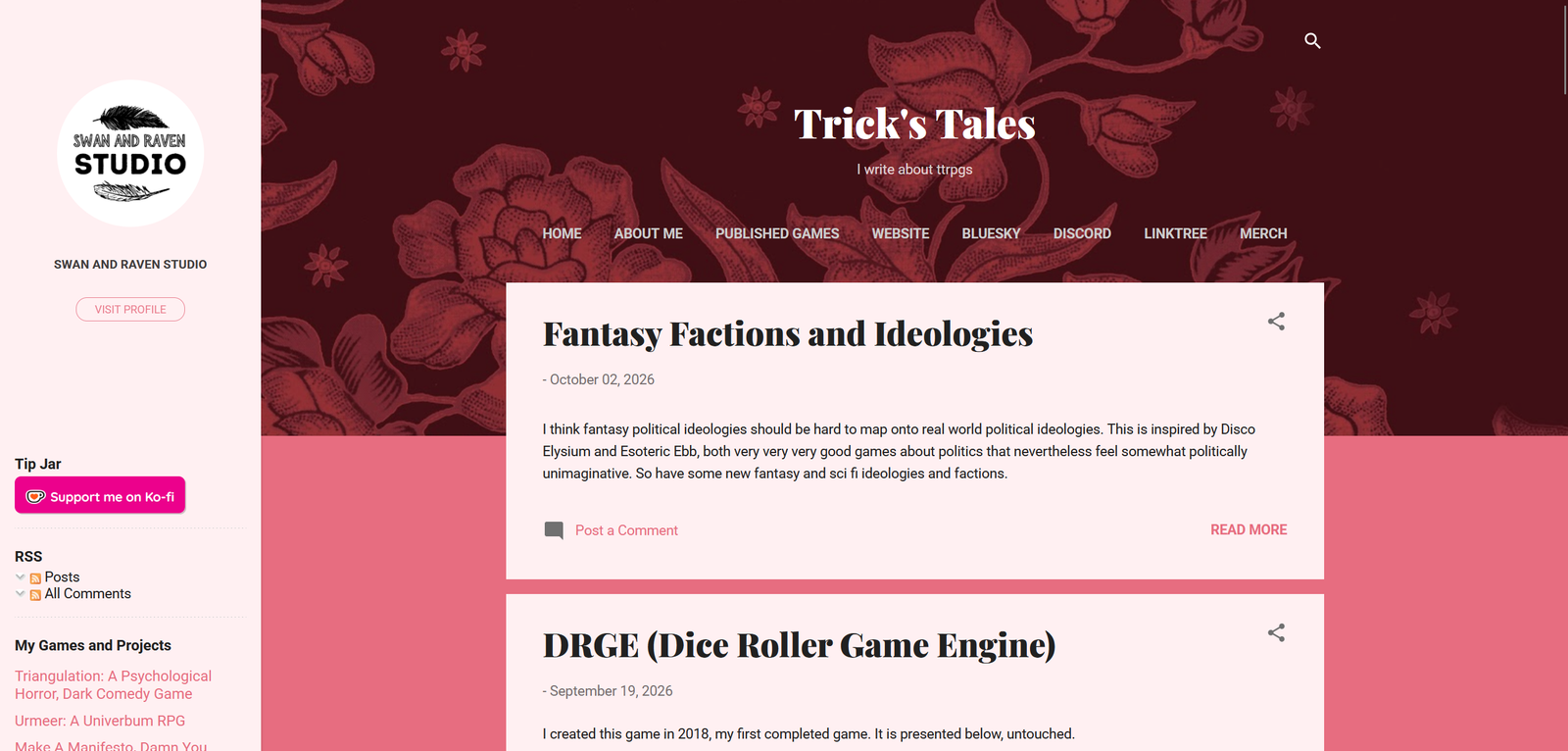
Tricks' blog! Which is not a trick blog. It is a real blog, by Tricks, that does not play tricks unless Tricks plays tricks through Tricks' blog. Hopefully that's clear.
Trickthegiant has been posting about her TTRPG blog, where she has a range of experimental ideas and posts for your games. Her most recent post has been about political ideologies in TTRPG worlds. We often make these quite direct reflections of the ones we're used to in our own real-world countries, but historically and in fantasy settings there have been a very wide array of political factions and movements that don't map neatly onto modern concerns. The role of technology, how economic concerns mesh with the state, agrarian issues, and can all complicate a simple world of left and right. And that's before we get onto the fey and the elves whose politics might have some radically different underpinnings...
If that sounds interesting, do take a look at her forum thread and her blog!
Kavis Work Continues
Jubal's sporadic work on his Kavis setting, which he uses to run games in the Savage Worlds TTRPG system, has had some updates lately. His recent devlog has had him revisiting a task from three years ago, but making new progress on providing statlines and structure to the creatures of the heart of the world of Kavis. Writing a bestiary is a multifaceted task, from the mechanical work needed to get the statblocks in line to the creative work of building the monsters and creatures and peoples who might inhabit such an imagined world.
Recently he also ran some test games at Vindiecon, the annual Vienna Indie Tabletop RPGs convention. This was Vindiecon's second year: it includes an artist alley and a range of test games, so for anyone from the area do keep an eye on that for future autumns! Jubal's test games included an unexpected candle salesman, an inheritance dispute where nobody got to inherit and the correct quantity of Goblin Shenanigans (which is to say, a lot of them).
All that and more can be found on the Kavis forums on Exilian:
Five Nights... where, exactly?
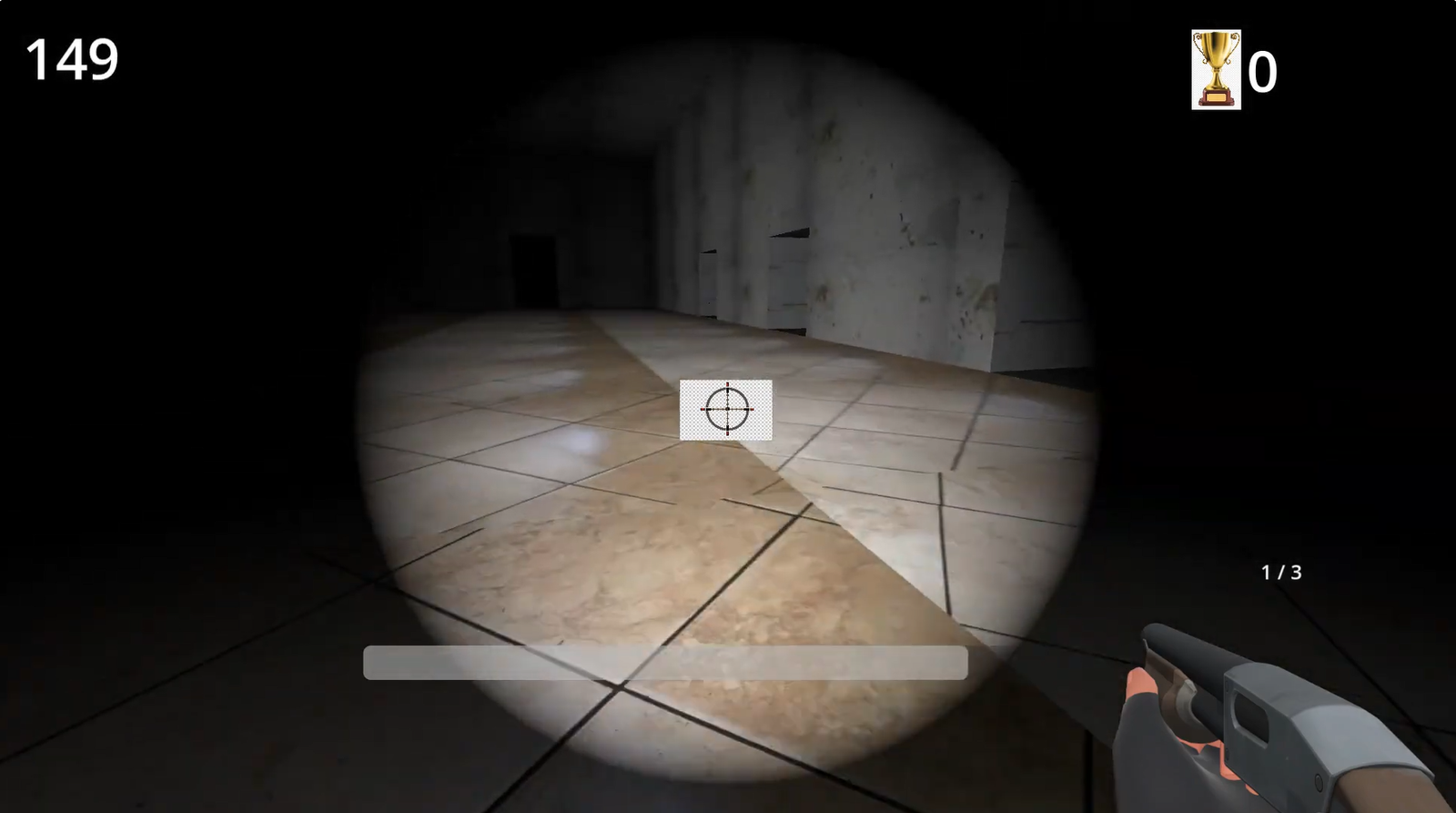
This is probably the single most serious looking screenshot we could get and should not be taken as representative.
New member scarzehd brings some updates on their game Five Nights at Sh*thouse, originally built but now being upgraded with level generators, an overall goal, and other such improvements. The game is in the homage/conversation with, of course, Five Nights at Freddy's but also more particularly with The Joy of Creation in the animatronic horror and jump scares world.
That said, as its creator says, FNAS*H is "not really meant to be scary" and its aesthetic is much more deeply embedded in Weird Internet Horror Comedy than it is horror in the true sense. It's built around its lighter palette in its creepy abandoned building, the MS Paint level cutouts of the enemy images and shotgun firing popup, the odd little noises and voiceover moments: it's the 2004 internet's reaction to its material, rather than a part of the same genre. It revels in, rather than shying away from, the fact that animatronic creatures are, whilst creepy, also kind of silly. Perhaps it's a reminder that in the face of the true elder gods of whimsy and familiarity, like Dracula and Cthulu before him, Freddy Fazbear too is mortal.
Anyway that may be more philosophical reflection than a game where you run away from enemies in a building and shoot cutout versions of pop horror characters with a shotgun was intended to provoke. If it sounds like your cup of tea, do check the thread out below:
ARTS AND WRITING
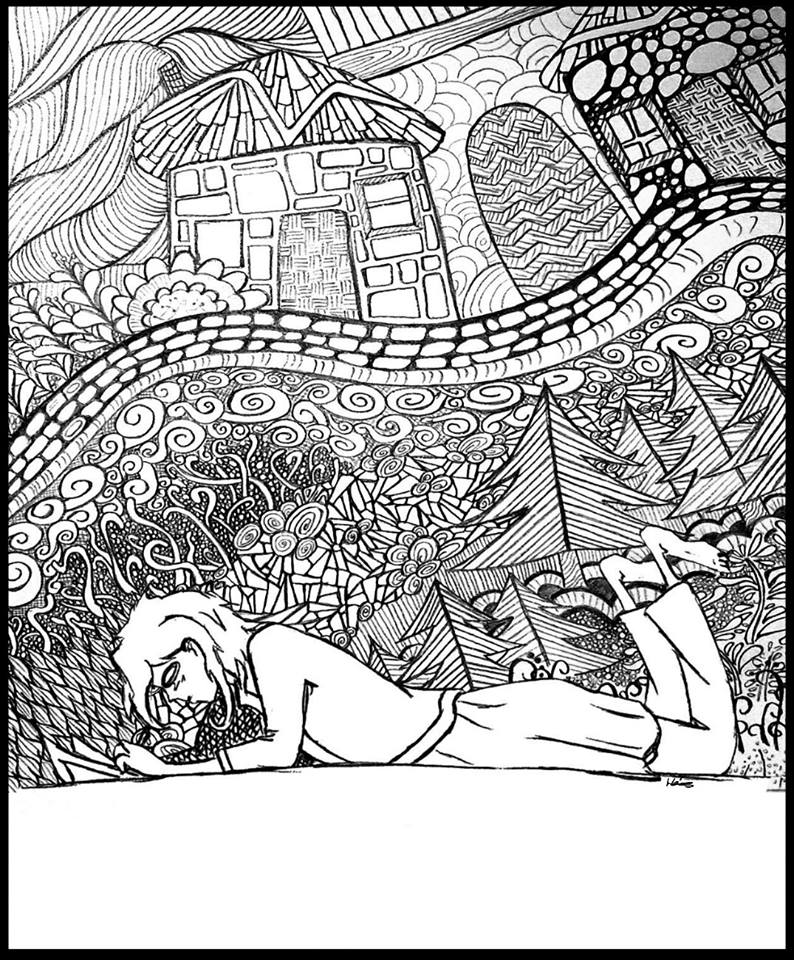
Ever feel your thoughts... cascade?
ForgeFyre: The Voice Revealed
Jubal's episodic multimedia story ForgeFyre has been continuing to receive updates through the summer months, with one video update and a number of weekly text updates. ForgeFyre is part of Jubal's wider Guns, Swords and Steam setting, a pastiche of gothic, folkloric, and clockpunk-steampunk ideas that brings the fantasy early modern continent of Sarpedonia to life.
ForgeFyre was originally released in the 2010s at one point had its own website but, as that no longer exists, is now being released again as a forum thread on Exilian so you can enjoy Jubal's writing and concepts along with the art of Hannah Milburn across the two released chapters. The story is now coming to the end of Chapter One, The Strangest Creature, which tells the tale of a girl who makes a mysterious - invisible - friend. Ninette is not, however, the sort of character to be fazed by this, and it becomes the puzzle to start a lifetime of puzzles.
Have a read and see what you think of our young heroine's attempts to discover who, or what, the Voice truly is...
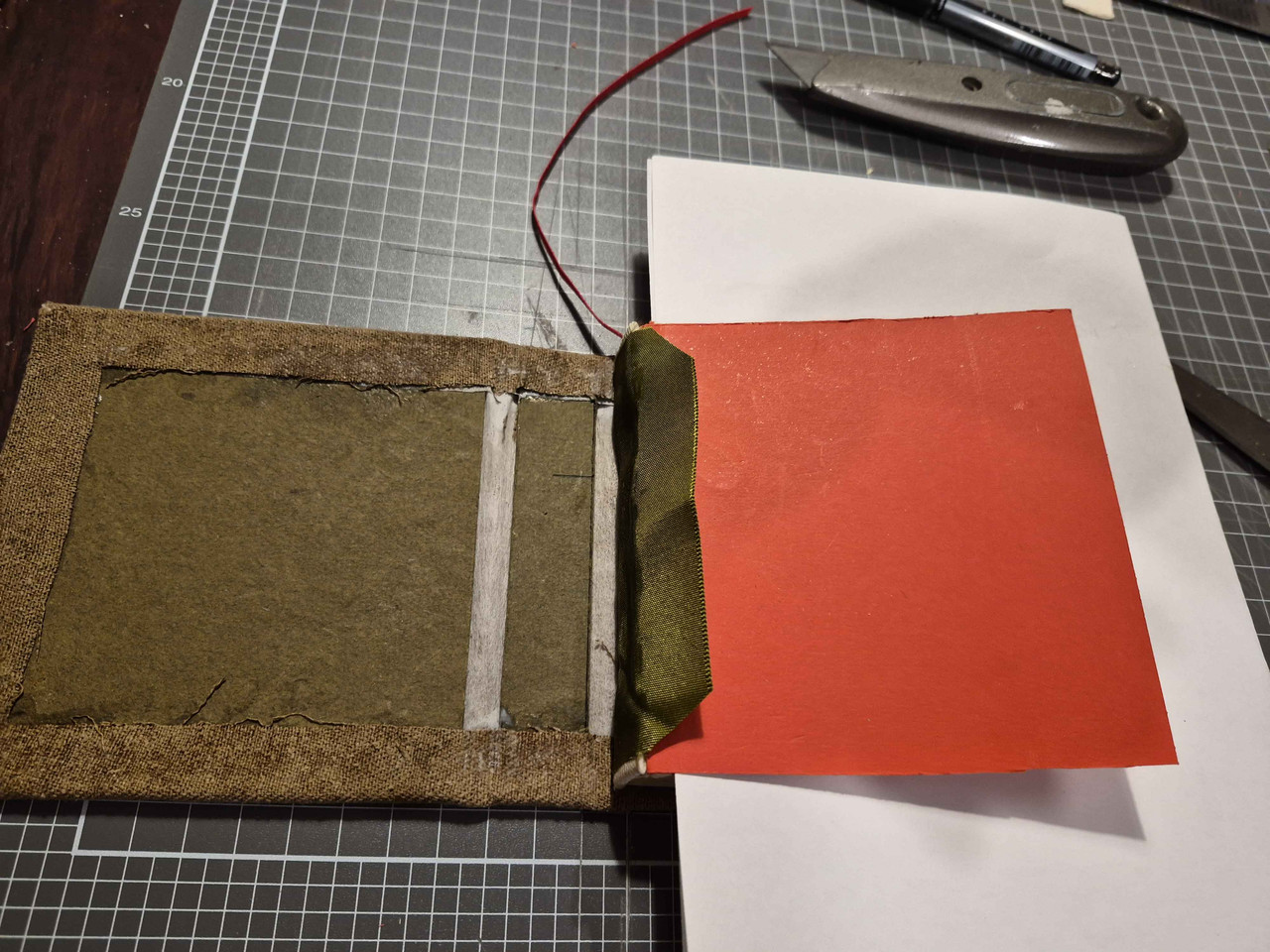
Mighty ancient tomes with heavy covers: actually, quite a bit of work to make.
BeerDrinkingBurke's Brilliantly Bound Books
Game developer and BeerDrinkingBurke has recently been getting into book binding and showing us all some of the arts and crafts he's been producing as a result! He's been building the necessary tools, including a book binding cradle to hold the pages, gathering materials, and working out some of the mistakes that can be made. The simplest binding process is taking the pages - which are folded into "signatures", the single-sheet size or single-bundle-of-sheet size sections of a book - and using an awl and thread to bind a single signature into a cover made of card. There's a lot more between that and a full book though, as having multi-signature stacks bound with particular stitches like the "French Link" are needed for longer projects, and there are myriad more techniques and binding options.
BDB's most recent project has been doing a hardcover book for the first time. The greater protection of the hard cover requires some new techniques to make it work, with a "swell" around the spine bulked out by stitching, the need for pressing the cover during creation, and having enough gap for the hinge all being important quirks to work out.
If you'd like to have a go at book binding or if you just want to read up on what's being tried by BeerDrinkingBurke and see some pretty handmade stationery, the forum thread is here and well worth taking a look at:
MISCELLANY
Cave Building in Games
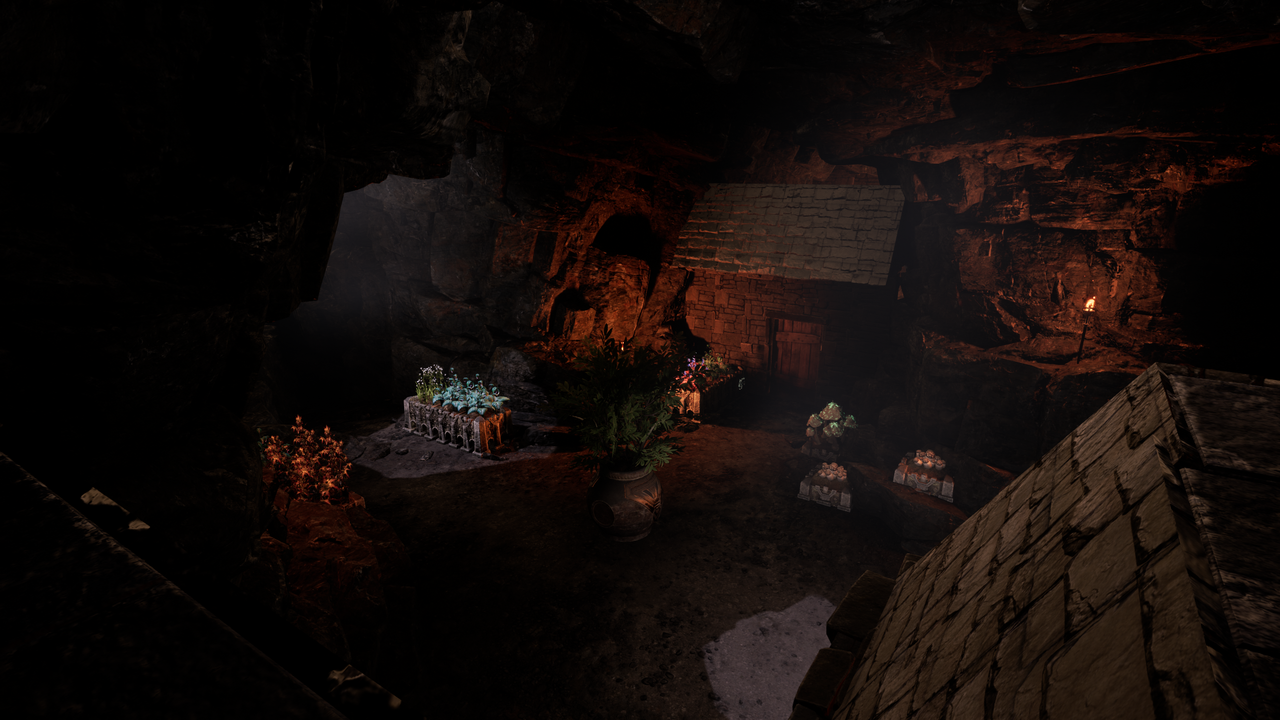 | 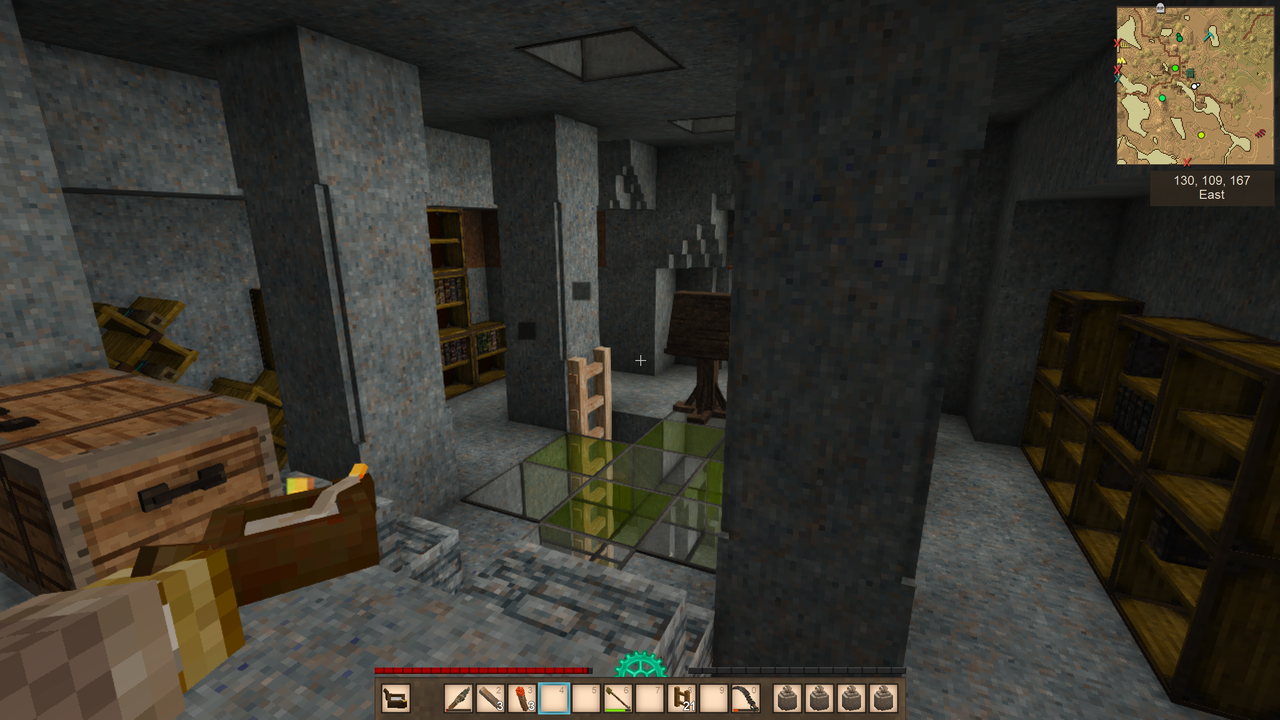 |
The forum has seen some screenshots of creative building ideas across a couple of different survival-crafting games, both of which involve the underground: Return to Moria, which offers an epic 3D representation of Tolkien's underground realm and the dwarves' retaking of it in the Fourth Age, and Vintage Story, which has a much more voxel-driven aesthetic and which certainly doesn't require you to dig much but if you can build a huge underground library, why wouldn't you? The comparison is interesting: RtM of course has a much smoother graphical overview, but VS gives a lot more capacity to build in precise ways, especially with its very detailed chiselling mechanics.
Do you have any fun ideas for how to build underground? From less to more vertical building options, tunnelling gives a whole new three-dimensionality to how one can build - but new potential challenges as well!
Medieval History Explorations on Exilian
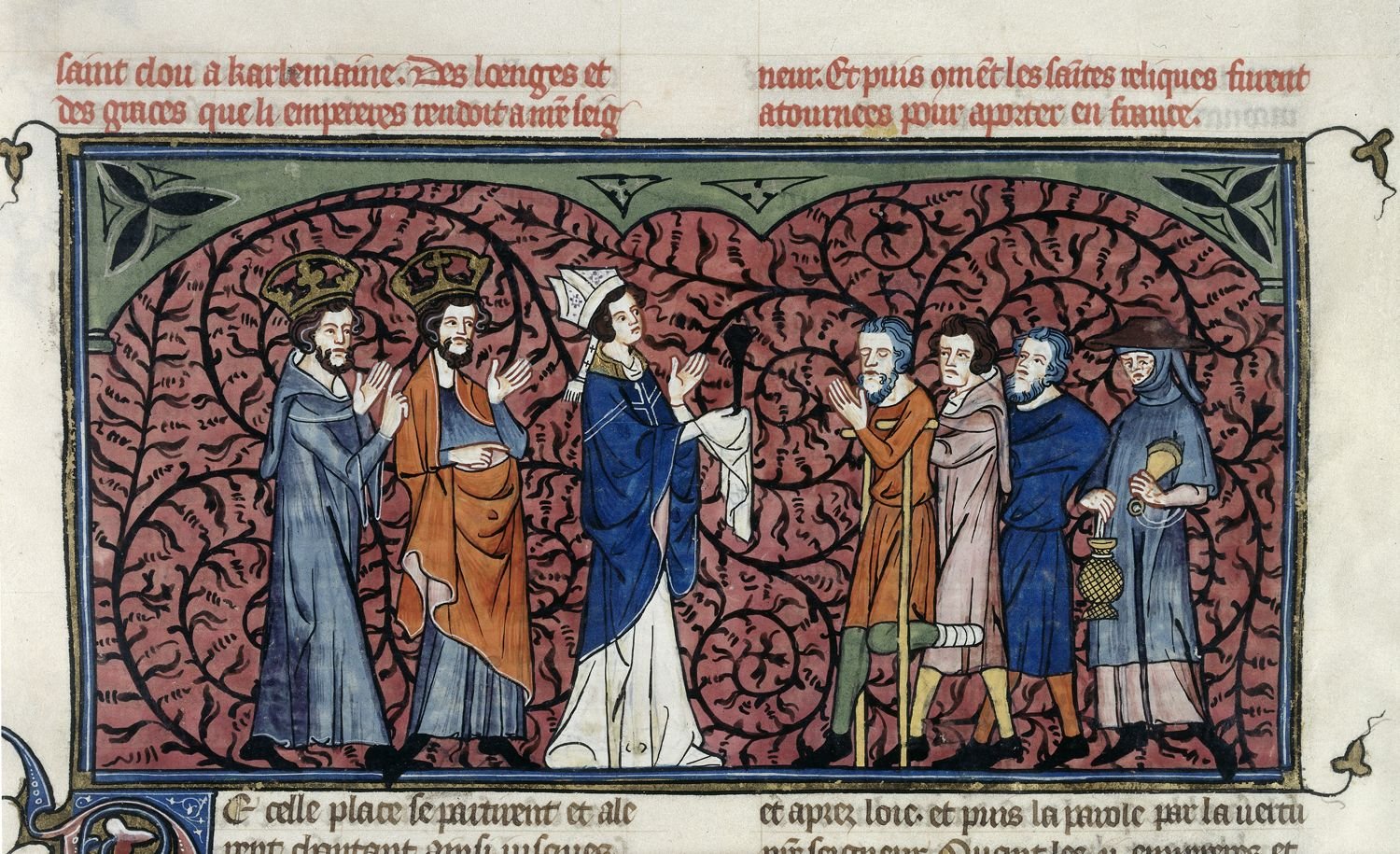
What were the lives of our medieval predecessors like? What does medieval mean anyway? Much to ponder...
We've had a number of discussions of medieval history in the Great Library in recent weeks. BeerDrinkingBurke has been reading through Koenigsberger's Medieval Europe 400 - 1500 and providing notes on some of the things he didn't realise from this grand overview of the period, with occasional comments added by resident medieval history professional Jubal. We've also had Jubal's own notes and thoughts from the 25th International Congress for Byzantine Studies, which happened in Vienna in August as a once-in-five-years event that both showcases research and shapes the potential future of the field.
The Great Library also has a What Are You Reading thread, where the last post was a mini-review of Brian Ulrich's The Medieval Persian Gulf which traces the faiths, trade, and politics of that part of the world through the rise of Islam and the growth in different goods trades up into Asia and down through the Indian Ocean.
If you'd like to learn more about any of that, check out the threads below!
Medieval History 400-1500 Discussion
Reflections on the International Congress of Byzantine Studies 2026
What Are You Reading? (Non-Fiction Edition)
Reflections on the International Congress of Byzantine Studies 2026
What Are You Reading? (Non-Fiction Edition)
Middle Ages in Modern Games 2026
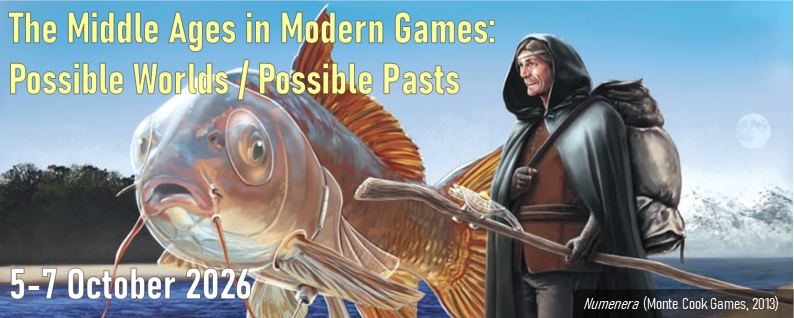
Continuing with the medieval theme, we've just had the annual Middle Ages in Modern Games asynchronous conference, hosted by Exilian, and it's all fully available to read online. MAMG is an asynchronous blog-conference, so participants write their thoughts as a 500 word or so communication that people can then respond to in the comments. This makes everything accessible to participants around the world, and also means that members of the public and interested game developers can get involved and ask questions.
This year's conference on the theme Possible Worlds/Possible Pasts had 27 papers with academics from countries including China, the USA, Brazil, Germany, the UK, and Turkey. Topics you can head over and read about include the Roman conflict at the heart of Fallout: New Vegas, the role of TTRPGs in exploring historical legal sources, the Chinese maritime imaginary in Uncharted Waters IV, whether it's time to retire paladins from TTRPG gameplay, using randomisation to explore historical sources for game development, and reports on developing games around the rewriting of medieval histories and the soundscapes of Icelandic meeting places.
With all that and much much more available to read, do check the papers out below and leave a question if you'd like to!
That is, for Updates from the Forge, another year over! Our updates for the rest of this year will be published in the New Year issue of 2027 - so we'll see you then. Until then, stay safe, friends, and keep creating!
Issue 62: Summer 2026
EDITORIAL & COMMUNITY NEWS
Welcome to Updates from the Forge 62, for Summer 2026! We're past the halfway point of the year and deep into the middle of summer, but despite the heat there's still plenty to show you in our creative updates.
We've had one article in our articles section in recent months, with Indiekid continuing his world travels by heading down to Thailand, a key location for backpackers on which he reflects in . This is the first part of a two part series, so keep your eyes peeled for the next instalment.
If there's a theme to this quarter's updates, it seems to be nature and the natural world: we have building terrain and exploration RPG development in our game dev section, wildlife photography and poems about the sky and animals in our arts sections, and some soaring music resources for barren landscapes in the miscellany. As most of us live in very urban spaces in the modern world, it can be easy to set nature aside or build 'natural' spaces in our imaginations that are quite bare compared to the reality: but maybe these updates will give you some thoughts on how to enrich them in your creativity, one way or another.
And so - the updates!
CONTENTS:
- Editorial & Community News
- Game Development
- Godot and Terrain3D
- The Stuff Fairy Tales Are Made Of... 2!
- Indiekid's Game Dev Adventures
- Arts & Writing
- Rob Haines' Photographic Print Club
- Winds and Whimsy: Jubal's Poems
- Miscellany
- Proso:portal
- Latest Music from Eric Matyas
GAME DEV
Godot and Terrain3D
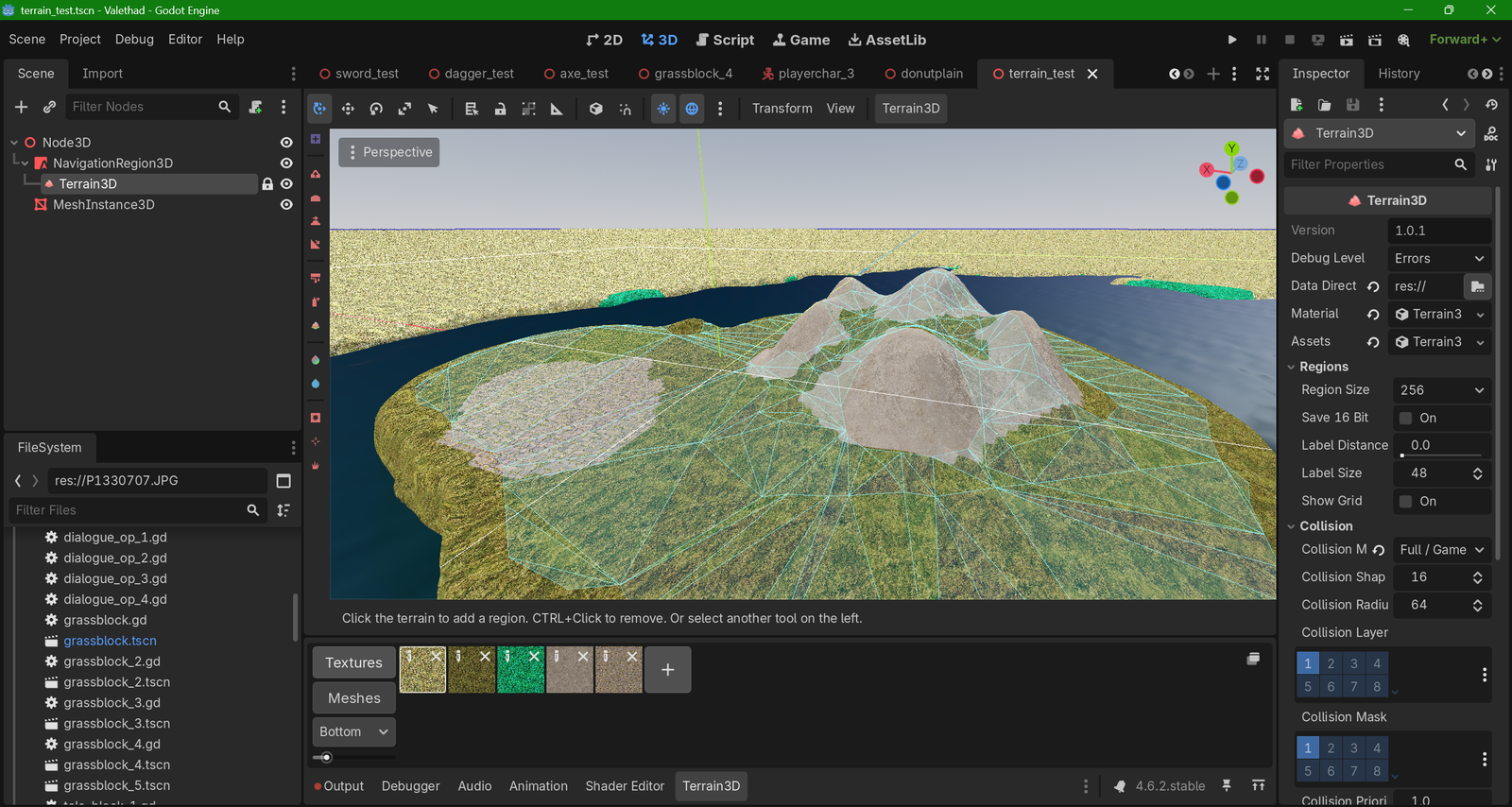
Jubal has been working with learning Godot, the open-source game engine, over the past year, as a base for new projects. Using the 3D elements of the engine, he's worked through basic UI, camera angles, movement calculations, and more besides - and, more recently, has started writing up elements of his experience.
In his latest escapades, he's been using Terrain3D, a plugin for Godot that allows easy in-editor height and visual editing of terrain meshes. In Jubal's initial experiments, he attempts to make an island with a few different textures on the terrain, and to combine it with a shader for some surrounding water - and he's written about a range of the confusions and problems inevitable in using a new tool, so if you're looking for advice on building Godot terrains yourself, this might be useful for you!
Do you have particular bits of your favourite game engine that, or are there particular bits of game dev you want? The Indie Alley is always open for your thoughts and questions! In the meantime, do check out Jubal's progress:
The Stuff Fairy Tales Are Made Of... 2!
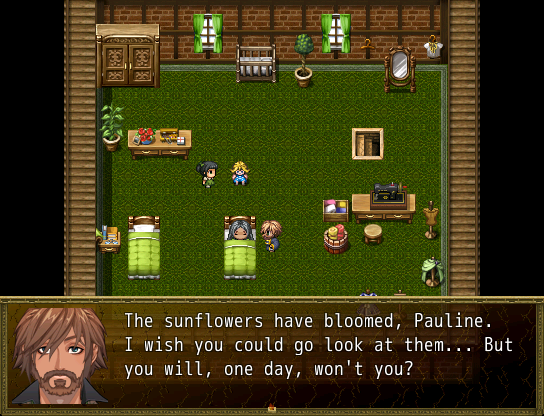
One day... or once upon a time.
The Stuff Fairy Tales Are Made Of 2, like its predecessor, has classic JRPG style systems including turn based combats and classic pixelly art styles. It also features an ingredient collection system, puzzles, an emphasis on exploration, and lots of NPCs to interact with around the world (at least you're not the only one still awake!)
You can already get the demo on Itch, so do check that out and provide the team with feedback here on the forum:

Indiekid's Game Dev Adventures
Indiekid has recently been providing - as well as writeups of his actual travel adventures - some of his latest adventures in boardgame development and ways to approach it. In his latest post he's been writing about the different ways we produce and consume information and advice - the difference between blogs and books, and why actually you might want to physically print out a lot of blog pages sometimes. We also have his adventures to a Lego event, as a tabletop-adjacent hobby with quite a lot of potential uses and overlaps for the design-minded brain, and highlighting a friend's recent kickstarter of Bots 'N Pieces, which describes itself as a "Robot-Fusion TTRPG" and is still accepting late pledges.
If any of that sounds interesting, do check out his blog at the links below:
ARTS AND WRITING

Behold, for it is smol and yet mighty.
Rob Haines' Photographic Print Club
We've long known that Rob Haines had an eye for a good shot in virtual or physical worlds, given his amazing ingame picture projects, but now his photography is coming up to a new level with his print club where you can purchase or subscribe monthly for his latest photos. He's recently obtained a professional grade printer so he can produce physical copy prints of some of his best work - his own favourite being some gorgeous bluebells, but there are also bees, a heron, and this beautiful wren to choose from too.
Nature photography both captures and changes the world it shows - it gives us insights both into the natural world we see through it, but also what we find beautiful in that world and why particular contrasts or subtleties appeal to us. Why not have a look and think about what you get from seeing the creatures around us, and why?
Winds and Whimsy: Jubal's Poems
QuoteSing high, you little lost wind,- From Sin-Eater, by Jubal
Sing high where the air is thin,
Where all our breaths escape and soar,
Our lips grow cold and lie no more,
So scattered where the cloud-wisps stray,
Our lives and sins, wind, cast away.
Being one of our resident poets as well as a game developer, Jubal often regales Exilian with new rhymes, riddles and the like, and recent months have been no exception. His works this year have leaned in many cases towards a nature theme in different ways, from reflecting on the different landscapes in his travels to Norway, to meditating on the theme of sin-eaters and thinking about the way a wind or other moving landscape could act as them, to much more whimsical ideas about why snails don't sing and what a hawfinch would eat if it had the capability.
If any or all of that sounds up your street, do check out Jubal's Exilian thread, which includes most of his poetry going back over most of the last twenty years - there's lots to find from blank verse to rhymes to song lyrics, and thoughts and discussion are always welcome. Maybe you'll find something hidden in an unexpected corner that speaks to whatever's going on for you: there's only one way to find out.
MISCELLANY
Proso:Portal

A new independent academic project, Proso:portal is a website for aggregating and finding humanities datasets on the premodern past and for helping users to understand them. It currently offers some "data bibliographies" with links to key datasets around particular themes - either across a particular method or type, like prosopographies, or across a particular area of history, like the Byzantine world - as well as some regular bibliographies providing teaching materials and core reading suggestions for finding out more about data methods on the premodern past.
These resources are just the start of the plans for the website, which aims to help not just provide access to resources but to explain the data models and other underlying information involved.
Latest Music from Eric Matyas

Composer Eric Matyas regularly creates huge banks of free sounds and images to use in creative projects, all of which can be used entirely for free! No-attribution licenses and custom work can also be purchased, but for both commercial and hobby projects, there's a huge amount you can access on the SoundImage website and it's been continually expanding for many years now. He's also been moving progressively more tracks into higher quality OGG format, which especially helps get smooth looping in game engines for those of you out there who want some music for your latest gamedev projects.
Recent new tracks incorporate a certain high airy theme, including Stratosphere, originally designed for high drone videos, and Unforgiving Himalayas, a cold and airy piece to give the impression of soaring mountaintops. It could also be a great video backing, or perhaps the backing track for an especially barren or desolate RPG location?
Either way, you can find these and much more besides on SoundImage:
And that's all of summer's updates! Check back here in Autumn and we'll no doubt have a host more writings, games, and resources for your creative projects. But until then, take care!
Issue 61: Spring 2026
EDITORIAL & COMMUNITY NEWS
Welcome to Updates from the Forge 61, for Spring 2026! We're a mere five days after the theoretical line this time, which is an improvement, and we've got a very solid set of updates coming up for you.
As for community announcements, we've as ever had our birthday on March 18, our Cyril & Methodius Day celebration on February 14, and we're delighted to be able to congratulate all of our committee on choosing to stand again and being re-elected to run Exilian during 2026.
In the updates there's something of a dissolute theme to this edition: our games and stories feature drunks, wastrels, and conniving tavernkeepers across a wide array of different worlds and facing problems from giant goblins and fish-worshipping kobolds to needing to rob their tavern guests or even fool the Emperor of Japan. If you want some busier work, though, we've also got industrious yarn-spinning, books to read, and our yearly academic workshop to report on.
With all that and more - on to the updates!
CONTENTS:
- Editorial & Community News
- Game Development
- Legion: Arcane Origins
- A Tale of Tails
- Design Updates from Innkeep!
- Arts & Writing
- Spinning with the Seamstress!
- Genesis Lacrima
- Thurazur's Further Field Notes
- Miscellany
- What are you reading now?
- Coding Medieval Worlds videos
- Jubal's Budapest Travelogue
GAME DEV
Legion: Arcane Origins
New Exilian member Goury has arrived with a new game - Legion: Arcane Origins, an anime dungeon crawler in which you explore ever further through a forest maze battling goblins and other enemies. As you progress you'll find new enemies, characters to unlock, and weapons to make your journey smoother... though the number and power of enemies will increase as you go too.
If you liked fast-paced, room-by-room games like Son of a Witch, this might offer some similar action-packed fun, offering a similar sort of roguelite style gameplay, some silly light plot starting with your character being a slightly hung over amnesiac, and a diverse array of different enemies to get the hang of and fight.
A demo is now available on Steam, so you can check that out, and it's a great time to give early feedback to the developer and shape the sort of game you want it to become!
A Tale of Tails

No pheasant in samurai armour appears in the game yet, but in future updates who knows?
As part of Coding Medieval Worlds VI, Jubal, along with Adam 'Ludohistory' Bierstedt and narrative designer Finn Taylor, came up with a new little text adventure game! A Tale of Tails follows the progress of a wastrel from a noble family in Japan in 1000AD who instead of making his way in the world fell in with a kitsune, a fox-spirit, some time ago. Unfortunately, he now needs to find some way to make ends meet, and ideally get recognition from the Emperor - but how? Well, by trickery, it turns out...
The game is thus focused on your efforts to pass, with several different sorts of courtier you can try to purport to be as long as you can find the right clothes and accoutrements to have some idea of what's going on. The adventure is text-only and is played with classic text adventure commands - GO, BUY, TAKE, TALK, and do other activities along with a range of characters including the Emperor of Japan, a drunken ronin, a court wizard, a priest, and other folks besides!
It's a short game experience, but there's possible scope for the game to be enlarged in future, so if you play it and like it then do leave some feedback!
Design Updates from Innkeep!

Serve ale! Joke with patrons! Petty theft! It's all in a day's "work"...
BeerDrinkingBurke's game Innkeep is developing apace, with blogposts looking at developing different core mechanics for theft and cooking on the game's website turning up recently. For thieving and inventories, we hear how shifting from a conventional inventory system to a more 'open bag' structure might provide an alternative to more conventional grid-style inventories and how this helps the feel of the theft systems he wants to build for the game. As for cooking, he discusses how part of Innkeep's core design philosophy is to make things feel tactile, dragging around actual items rather than moving them into abstracted inventory boxes, and how that affected the menus and setups for cooking stew, including where a slot-based menu section was nonetheless needed to keep order.
Innkeep follows the tale of a light-fingered vagabond who becomes the proprietor of a rural inn after the untimely death of its previous owner, and finds that he not only needs to make ends meet in potentially very dubious ways but might need to engage with things very far beyond his pay grade because there's more going on around this particular than meets the eye. If you've not done so yet, you can wishlist it on Steam and get updates via BeerDrinkingBurke's email list!
ARTS AND WRITING
Spinning with the Seamstress!
The Seamstress has recently been updating her crafting thread with new adventures in, well... thread! Or adding a new yarn about yarn, that might be happening too.
She's recently been adding to her crafting accomplishments by learning how to use a spinning wheel. There's much dispute about when the first spinning wheels arose, probably in some part of early medieval or late antique Asia, though the spindle and distaff that in most places preceded them as the main weaving method were often still in use as the late 18th century in parts of Europe. Wheels significantly speed up thread-making, meaning they're an important factor in being able given most people nowadays prefer to have lifestyles that don't require them to reserve one hand for a drop-spindle pretty much their whole waking life.
But that's all theory and history, and there's practical experience to be had as well, so do head over and find out some notes on types of wool, lengths of fibre, and the practical issues faced when spinning gets mechanical:
Genesis Lacrima
Science fiction writer BagaturKhan has posted the thread to open a new work in his huge Infinitas. There are few details yet about the new book, other than the title Genesis Lacrima - or, written in more literal terms, the birth of tears (lachrymose is a good word to remember for those of you who). BagaturKhan has also hinted that the new book may be part of a rewrite of the wider history and mythos of the Infinitas setting, which spreads across many thousands of years of galactic space and time with tales of the deeds and folly of the numerous wars that tear worlds after worlds apart.
You can read many of BagaturKhan's writings already on Infinitas' dedicated Exilian subforum: if grand space opera is your thing, why not go take a look?
Thurazur's Further Field Notes
QuoteWe opened the chest. Inside we found a collection of exciting finds; a greatsword which seemed to smoke which Grugnog wasted no time in taking, an interesting hat which seemed to shift form as you look at it from different angles, a wand which Cynthia tells me contains a daily charge of a heal spell, and some potions. The most interesting finds however were right at the bottom. There was a letter written in a kobold script which none of us could make out, an old map seemingly of some kind of castle, and the rest of the egg which we'd been finding pieces of all the way down.
Gently I picked up the egg, which was a mottled, mossy green colour, and quite thick and solid to touch. I ran my fingers over its rough surface, and suddenly the dawning realisation burst into a full understanding. I've seen pictures of such eggs in books before, but I never expected to see one in person. None have been seen in these parts for generations. I looked at the others, my face pale...
We've had more recent updates from Son of the King's post-game writeup of the pathfinder 2e starter game - incidentally run by fellow Exilian member Othko97. Written in the form of field notes, we only find things out fairly obliquely about Thurazur, our narrator, as after all he knows who he is - but we find out rather more about a large band of angry unemployed kobolds, a fish deity, and when to use "but we need the bottle" as an important excuse for some much-needed day drinking.
If that sort of bouncy fantasy storytelling sounds like your kind of thing, do head over and read about Thurazur's latest escapades (along with those of the holy Sister Cynthia, the mighty Grugnog the Orc. and the... Clive, who is a Clive). You could also share your own tabletop adventures in our storytelling forums if you have any to write down - we'd love to read them!
MISCELLANY
What have you been reading lately?
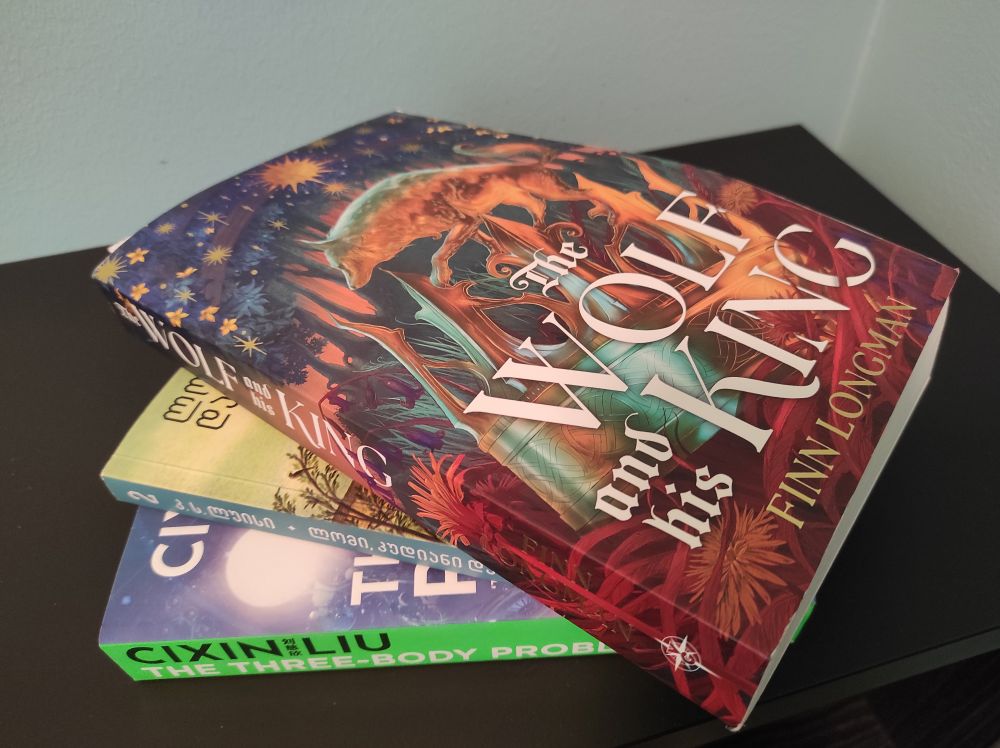
Always more on the To Read pile...
We've had several recent little book reviews posted in Exilian's What Are You Reading? thread, as members across the forum let us know what they've been reading recently. We have recent recommendations for Umberto Eco's Baudolino, a classic tale of an unhappy knight and unreliable narrator who tells Byzantine historian Niketas Choniates of his travels and prompts many discussions on the nature of fact, memory and truth; Guy Gavriel Kay's Tigana, a struggle for a soul of a province whose very name and memory have been suppressed by tyranny; and Finn Longman's The Wolf and His King, a queer retelling of a medieval werewolf tale deeply steeped in the folkloric and medieval-romance storytelling styles of the text it's drawn from.
As much as sites like Goodreads haul everything into aggregated profiles, it can be good to recommend books and discuss them in a more shared collective space, and that's what our What Are You Reading discussion offers. If you've read anything good recently or have a particular recommendation for our community, do head over and check out out!
Coding Medieval Worlds Videos

As ever, February saw Coding Medieval Worlds, our workshop series for historians and game developers. The theme this year for our sixth even was Manuscripts and Mechanics, looking at historical source material and the processes we can use to go between our sources and game-worlds whether that's directly using historical texts in-game, representing the things they say mechanically, or transferring ideas to the player about the historic past in general.
This year's Coding Medieval Worlds videos include an exciting panel on research for games comparing the different experiences and ideas of medievalist and game studies scholar Rob Houghton, Monster Man podcast host and TTRPG developer James Holloway, and Maxime Durand, developer of the Assassins' Creed: Valhalla discovery tour and expert on public-facing heritage gaming. There's also a great discussion with Caves of Qud developers Jason Grinblat and Brian Bucklew and historian and game scholar Yahuai Lu, discussing, and one with developer Steven Anastasoff and historian Vinicius Marino Carvalho discussing different ways to mechanise dynamics in the medieval Celtic world and its stories. With these and more to discover, do check the videos out and catch up on the great CMW discussions!
Jubal's Budapest Travelogue

The Fisherman's Bastion, a pinnacle (or in fact many pinnacles) of 19th century pseudo-medievalism in Budapest's architecture.
As the world turns its eyes to Hungary in the coming fortnight, you might be keen to get some new viewpoints on the place and how it's developed over time. Well, Jubal has some thoughts for you on the city at the heart of it all and the ways that Budapest relates to power and nation. In his newly completed travelogue, entitled Capital Projects, we get a 2024 snapshot of modern Budapest, its museums and building sites, its food and feel, and the ways that it got to where it is today.
Along the way, we visit synagogues, restaurants, and 19th century follies, and we meet a medieval princess who did not want to be married off, the father of Israeli nationalism, and some hybrid ducks whose parents probably needed to be given a little more space. Find out about all that and more in this travelogue, and keep your eyes peeled because our ever-growing travel writing index has much to offer for discovering the world!
And that's all the updates for this spring! We'll see you in summer for another round of Updates from the Forge - until then, take care, stay safe, and keep creating.
We're Eighteen!
Yep, this forum is now eighteen years of age, having been started on March 18 2008. Thanks as ever to everyone who's joined us and contributed to this community in that time, and we look forward to another year of creative geekery ahead. Hope you're all staying well!
All the best,
The Exilian Team